Insights & thinking
Perspectives on clinical research, real-world evidence, and what it takes to deliver great science remotely.
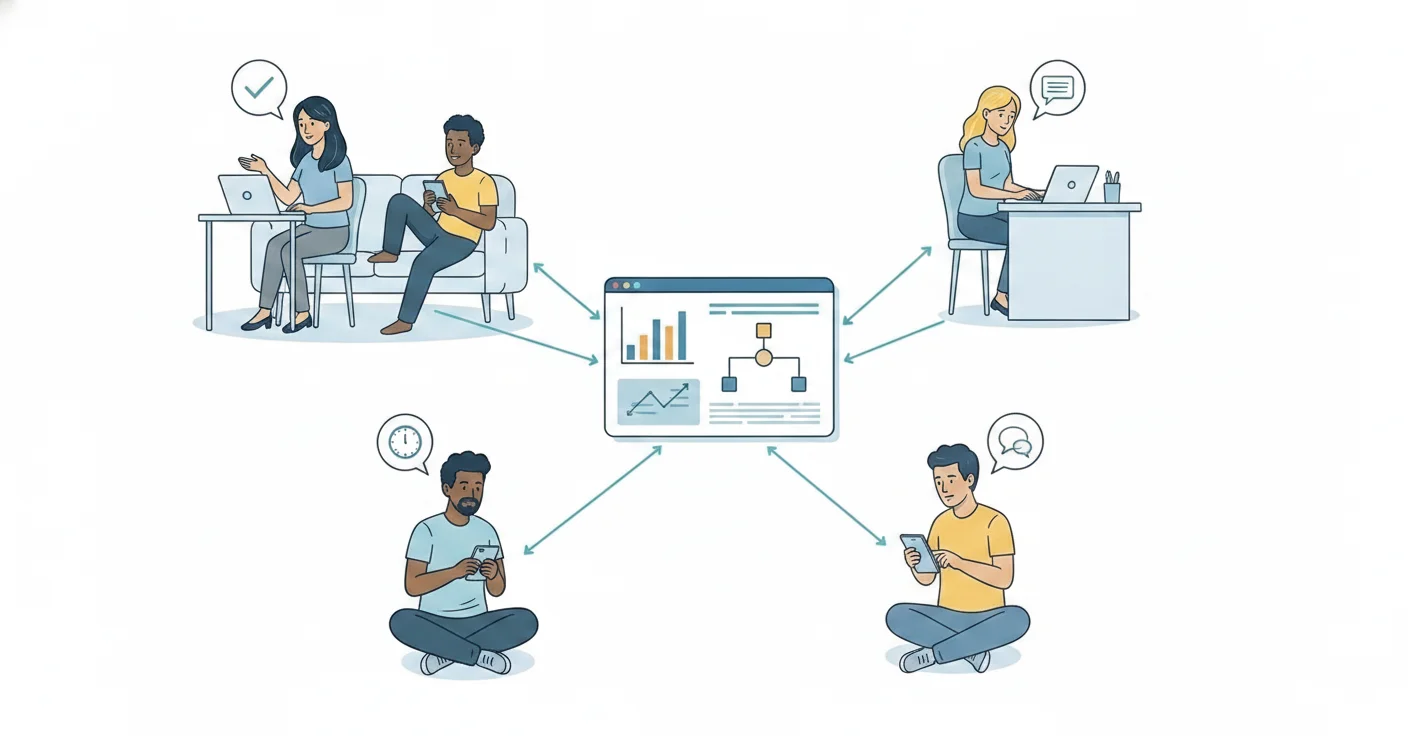
Electronic patient-reported outcomes have been part of clinical research long enough that the technology is no longer novel. What has taken longer to understand is how to use them well.
Electronic patient-reported outcomes have been part of clinical research long enough that the technology is no longer novel. What has taken longer to understand is how to use them well.
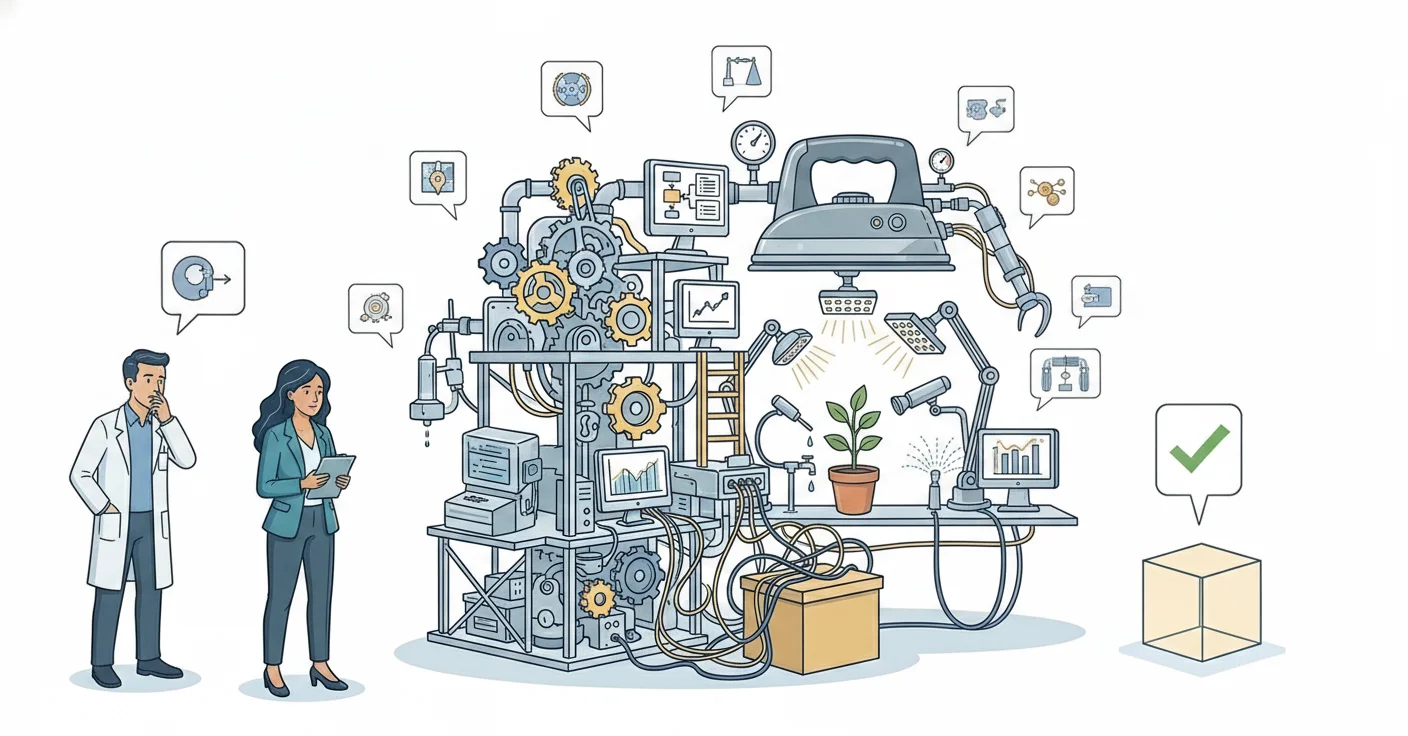
More process does not equal better science — especially for low-risk observational and nutritional studies. The hidden costs of over-engineering are often larger than the visible ones.
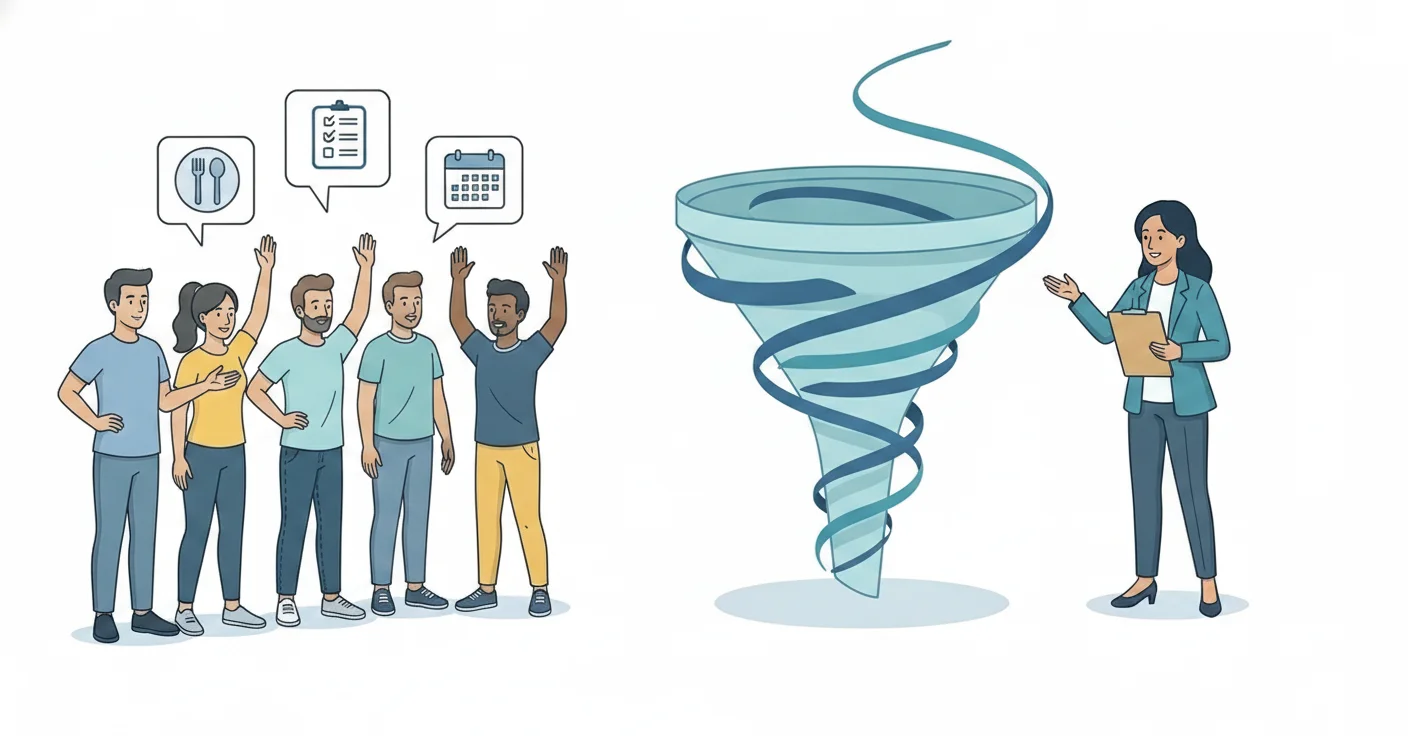
Recruitment is consistently one of the biggest challenges in nutritional research. The problem is rarely a shortage of eligible people — it is a gap between who is eligible and who actually consents and shows up.

The gap between a well-designed and a poorly designed observational study is not always obvious from the outside — but only one produces evidence robust enough to support decisions. Here are five mistakes that separate the two.
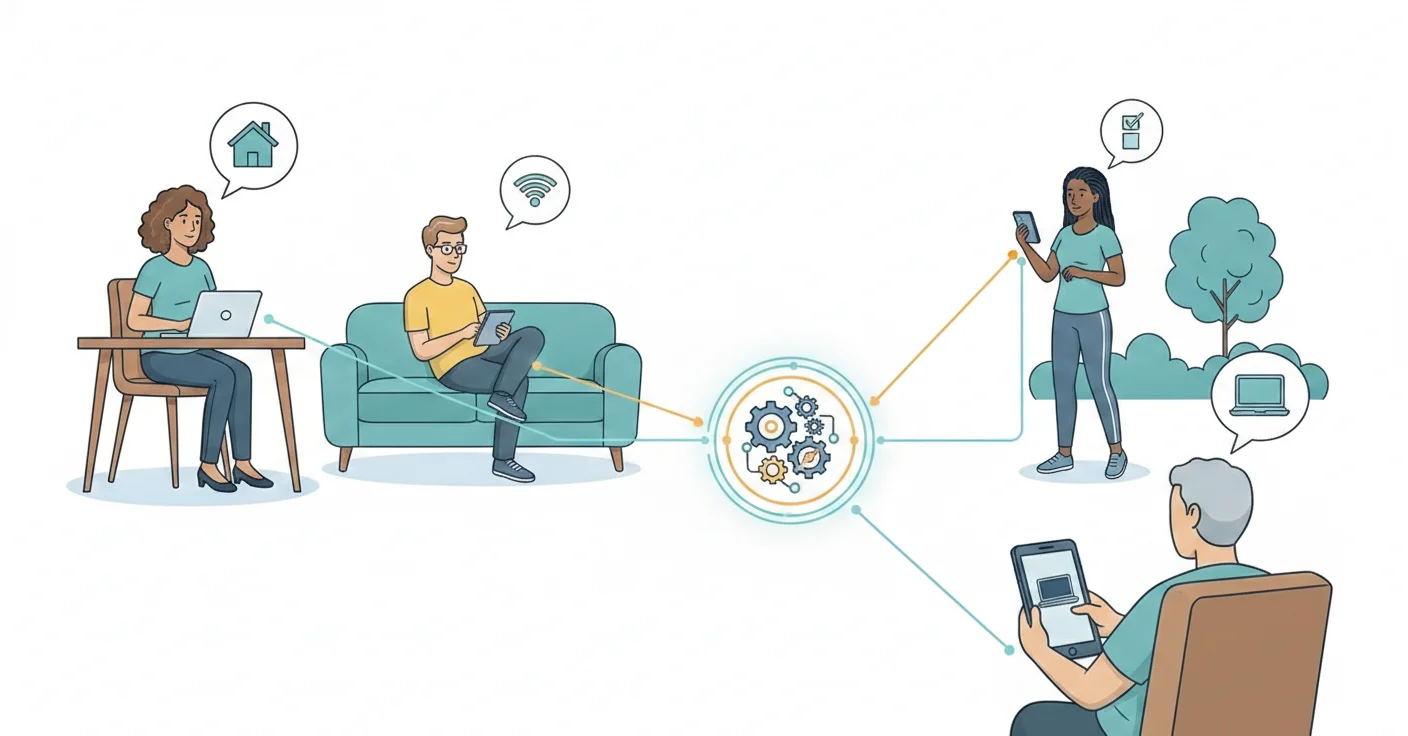
A genuinely remote-first CRO is built differently from one that has simply added distributed working on top of existing structures. Here's what that difference looks like in practice — and why it matters for study quality.
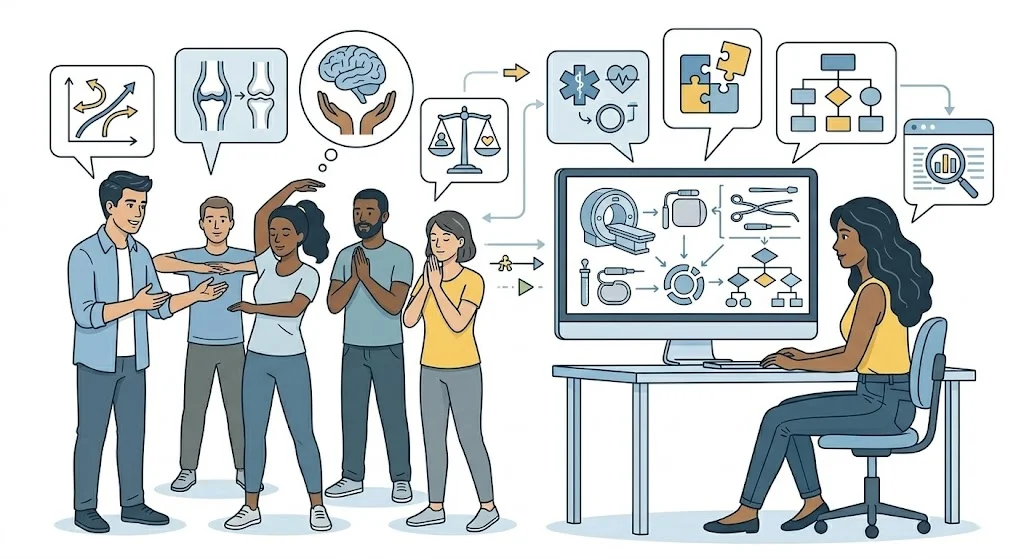
Over-regulating low-risk research drives up cost without improving science. Understanding when non-CTIMP governance applies — and what it enables — is one of the most valuable things a sponsor can do before a study begins.
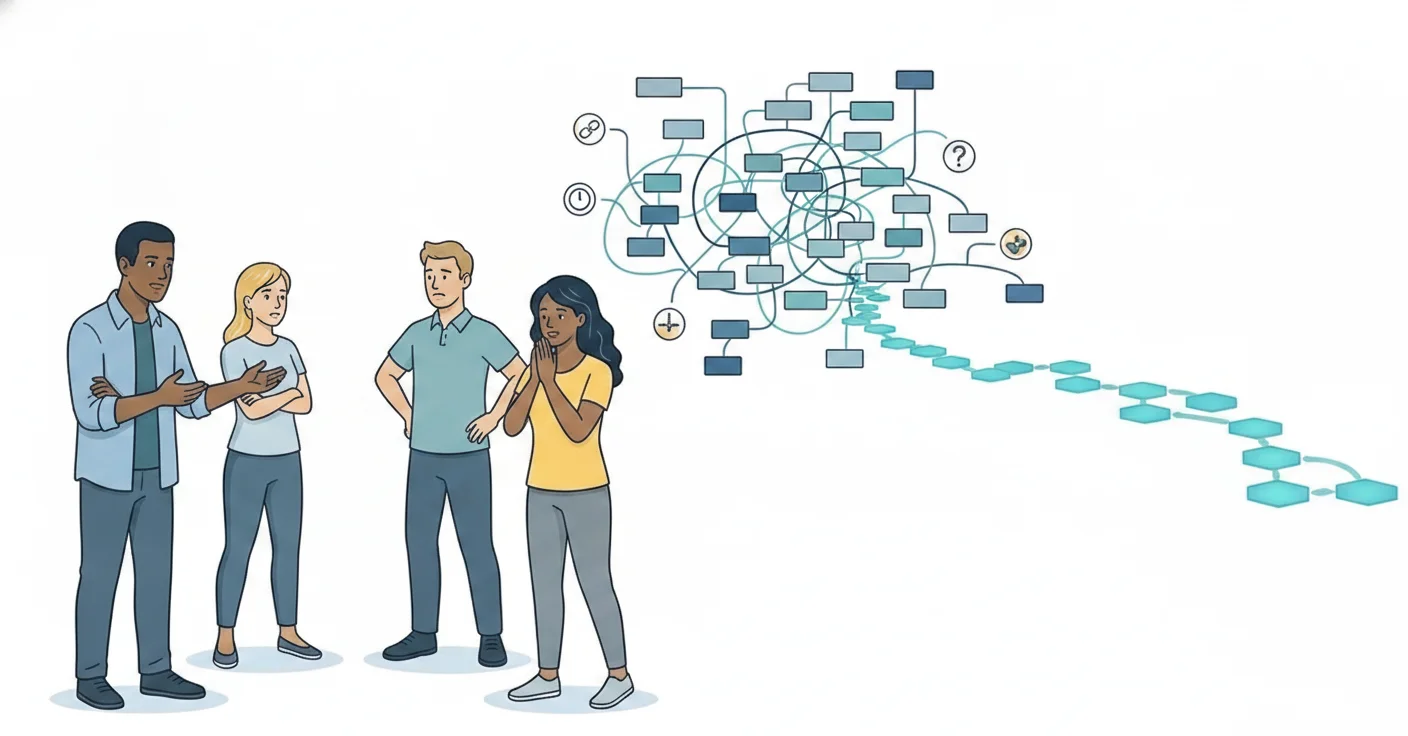
Bloated, logistics-intensive CROs drive up costs and complexity. Here's how a lean, data-first alternative delivers better evidence for clinical and real-world studies.
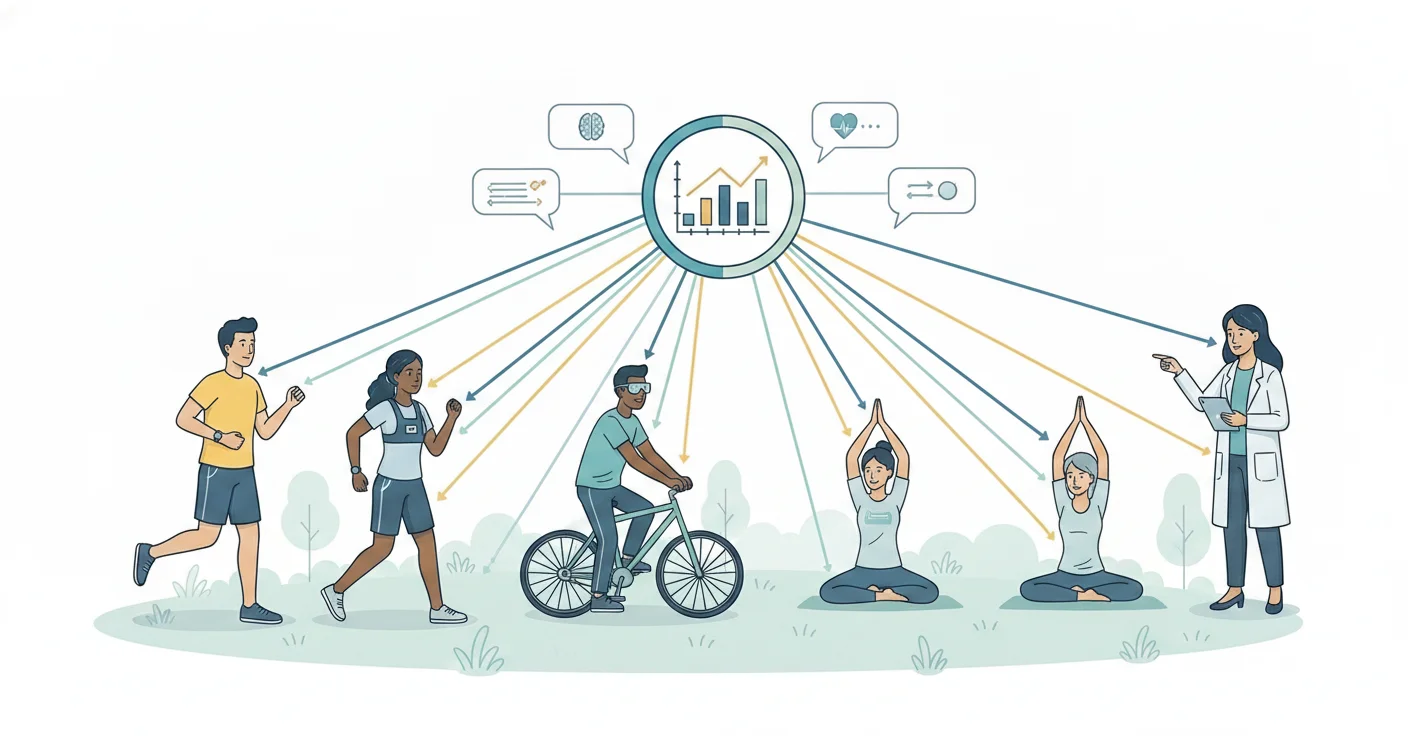
Connected wearables transform everyday life into rich, real-world data that can unlock deeper, more continuous evidence about how treatments work outside the clinic.
No posts in this category yet.